Marketing project plan template
Get a ready-made marketing project plan you can customize fast, plus steps to map tasks, assign owners, and keep every campaign on track.
Use templateSign up to use this template.
INTEGRATED FEATURES
Recommended apps


Summary
Every marketing initiative, from a product launch to a seasonal campaign, needs a clear plan to move from idea to execution. Without one, teams waste time chasing updates, duplicating work, and losing sight of priorities. In this article, you'll learn what a marketing project plan is, what it should include, how to create one, and how to use a free template to get started faster.
![[Product UI] Product marketing launch project overview report in Asana (Project Overview)](https://assets.asana.biz/transform/b063c23a-a897-432c-acf6-e31b4afc56a9/marketing-project-overview?io=transform:fill,width:2560&format=webp)
What is a marketing project plan?
A marketing project plan is a detailed roadmap that defines the scope, timeline, tasks, responsibilities, and goals for a specific marketing initiative. It covers every phase of execution, from research and creative development through launch and performance tracking, so your team stays aligned from start to finish.
A marketing project plan is different from a marketing plan. Here's how they compare:
Focus: Marketing plan sets strategy; project plan executes one initiative
Scope: Marketing plan covers goals and channels; project plan covers tasks and timelines
Timeframe: Marketing plan runs quarterly or annually; project plan runs weeks to months
Answers: Marketing plan defines what and why; project plan defines how, who, and when
Whether you're coordinating a content series, running a paid media campaign, or launching a new product, a marketing project plan helps your team stay focused on the right work at the right time.
Turn plans into action with a marketing project plan template
Without effective work management, marketing teams lose time and productivity by reinventing the wheel in spreadsheets, then reiterating the plan across dozens of emails and meetings. With our marketing project plan template, your team can kick off any project quickly and manage it successfully with Asana for marketing and creative teams.
Our free template gives you a ready-made structure, so you don't have to start from scratch. It includes sections for planning, strategy, milestones, deliverables, and channel-specific tasks, all in one shared workspace your team can access in real time.
Read: Free brand strategy template to grow and refine your brandKey components of marketing project plan templates
A strong marketing project plan covers every element your team needs to move forward with clarity. Here are the components you should include:
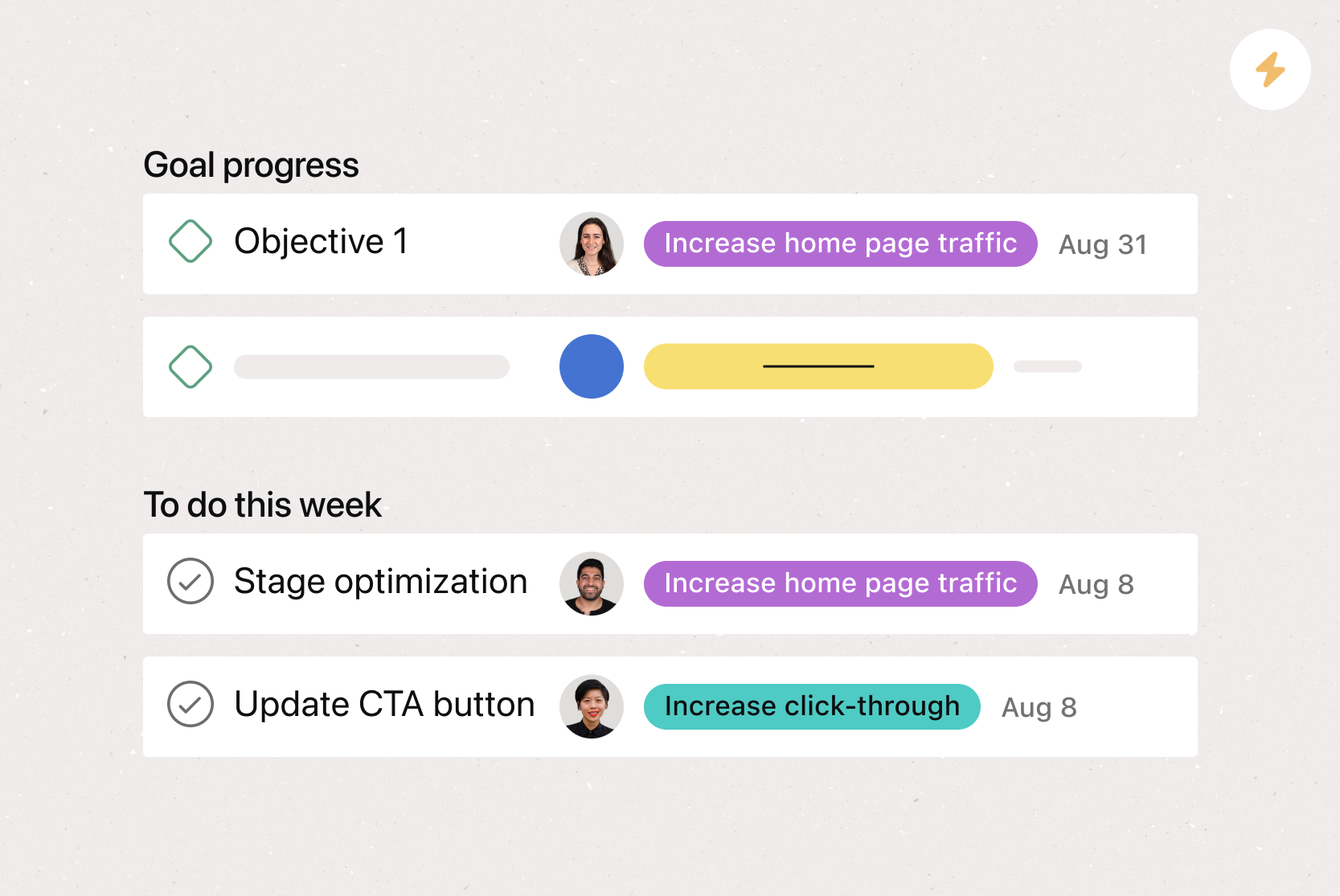
Goals and objectives. Define what success looks like for this project. Tie your project goals to your broader marketing strategy.
Target audience. Identify who you're trying to reach. Include details like demographics, pain points, and preferred channels so your team can tailor messaging effectively.
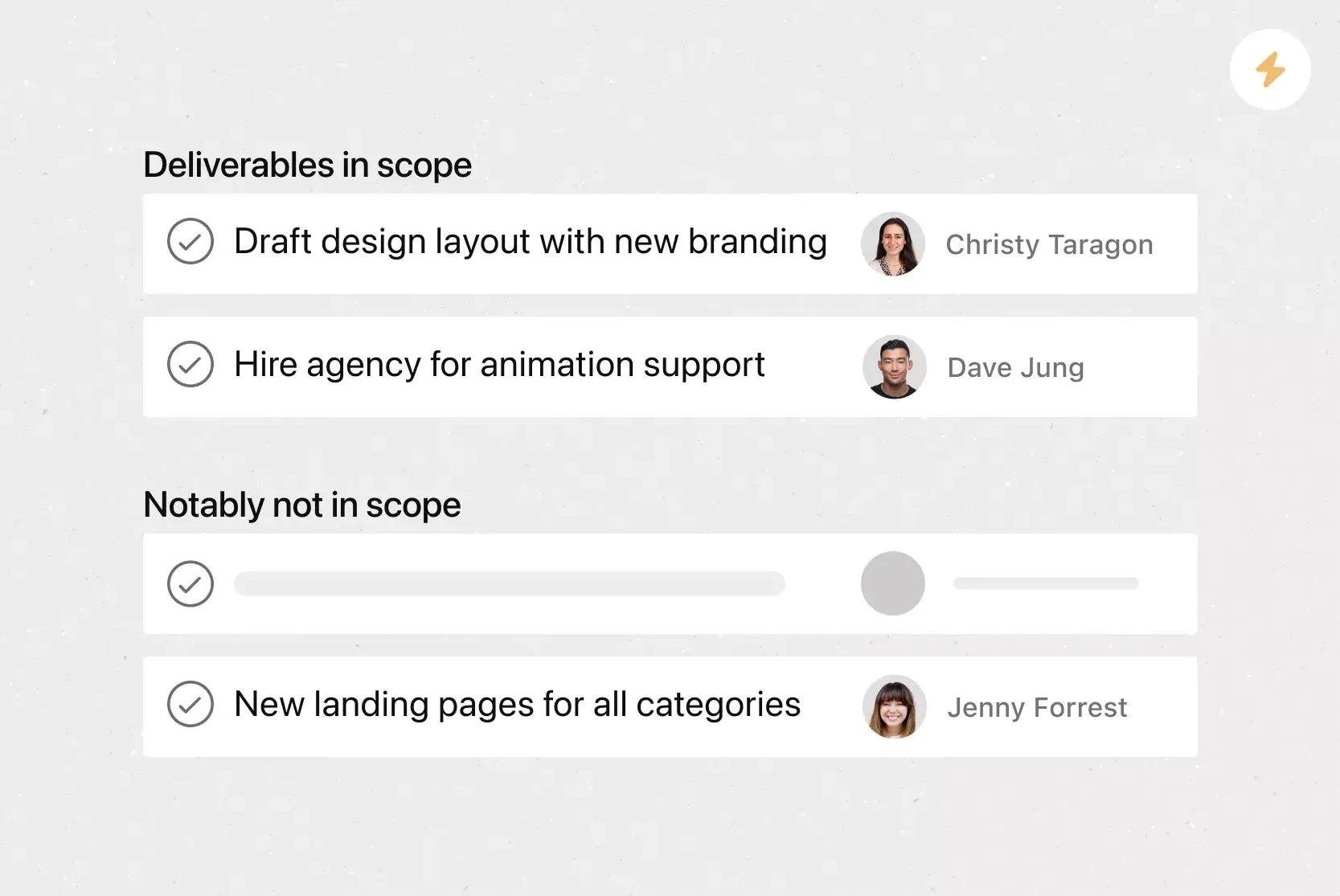
Scope and deliverables. Outline exactly what the project will produce, such as blog posts, ad creatives, landing pages, or email sequences.
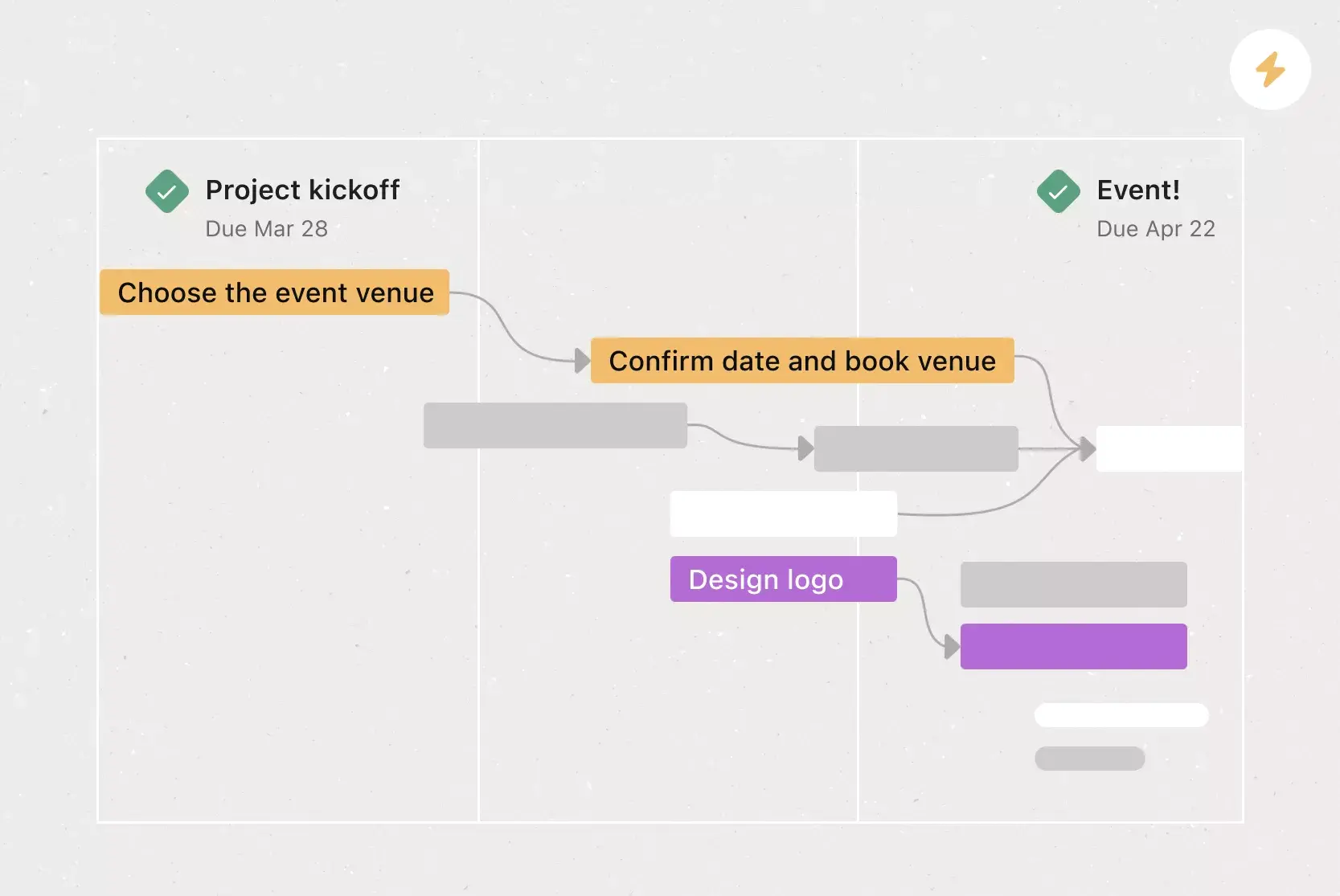
Timeline and milestones. Map out key dates, including creative reviews, approvals, launch dates, and post-launch analysis.
Roles and responsibilities. Assign ownership for every task so there's no confusion about who's doing what.
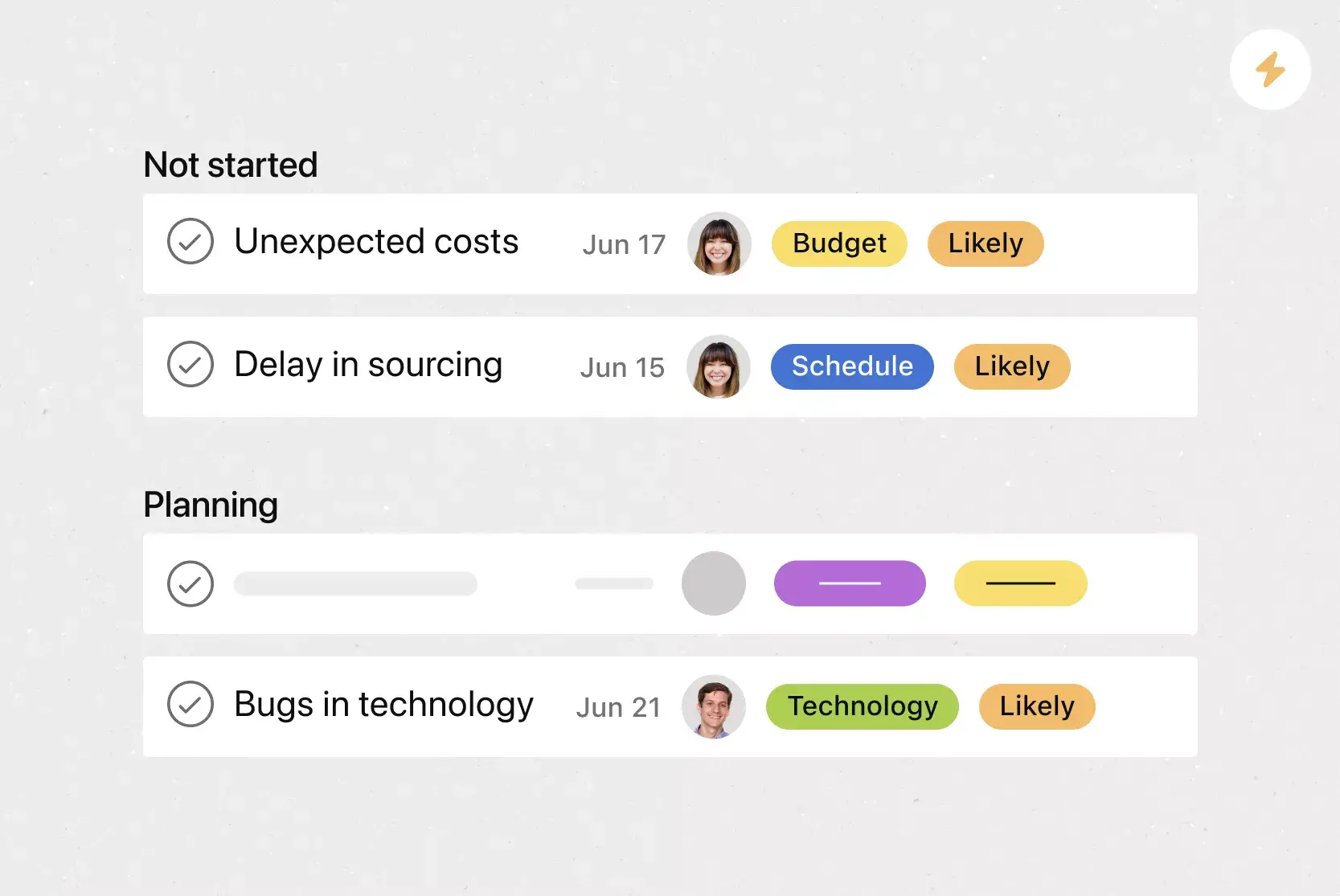
Budget. Outline the resources allocated to this project, including ad spend, freelance support, software costs, and production expenses.
Channels and tactics. Specify which marketing channels you'll use, such as social media, email, paid search, or events.
Metrics and tracking. Define the key performance indicators you'll use to measure success.
How to create a marketing project plan
Building a marketing project plan doesn't have to be complicated. Follow these steps to create a plan that keeps your team aligned and your project on track.
Define your project goals. Start by identifying what you want to achieve. Make your goals specific and measurable so your team knows exactly what to aim for.
Identify your target audience. Clarify who you're marketing to. Understanding your audience shapes every decision, from messaging to channel selection.
Outline your strategy and tactics. Determine how you'll reach your audience. Choose your marketing channels, define your messaging approach, and plan the creative assets you'll need.
Define your deliverables. List every output your project requires, such as ad copy, landing pages, social posts, email campaigns, or design assets.
Build your timeline. Map tasks to a calendar with clear deadlines and milestones across all your channels, from lead generation to social media.
Assign roles and responsibilities. Make sure every task has an owner so all stakeholders are on the same page about your timeline and strategy.
Set your budget. Allocate resources across each tactic and channel. Keep budget details visible so your team can make informed decisions throughout the project.
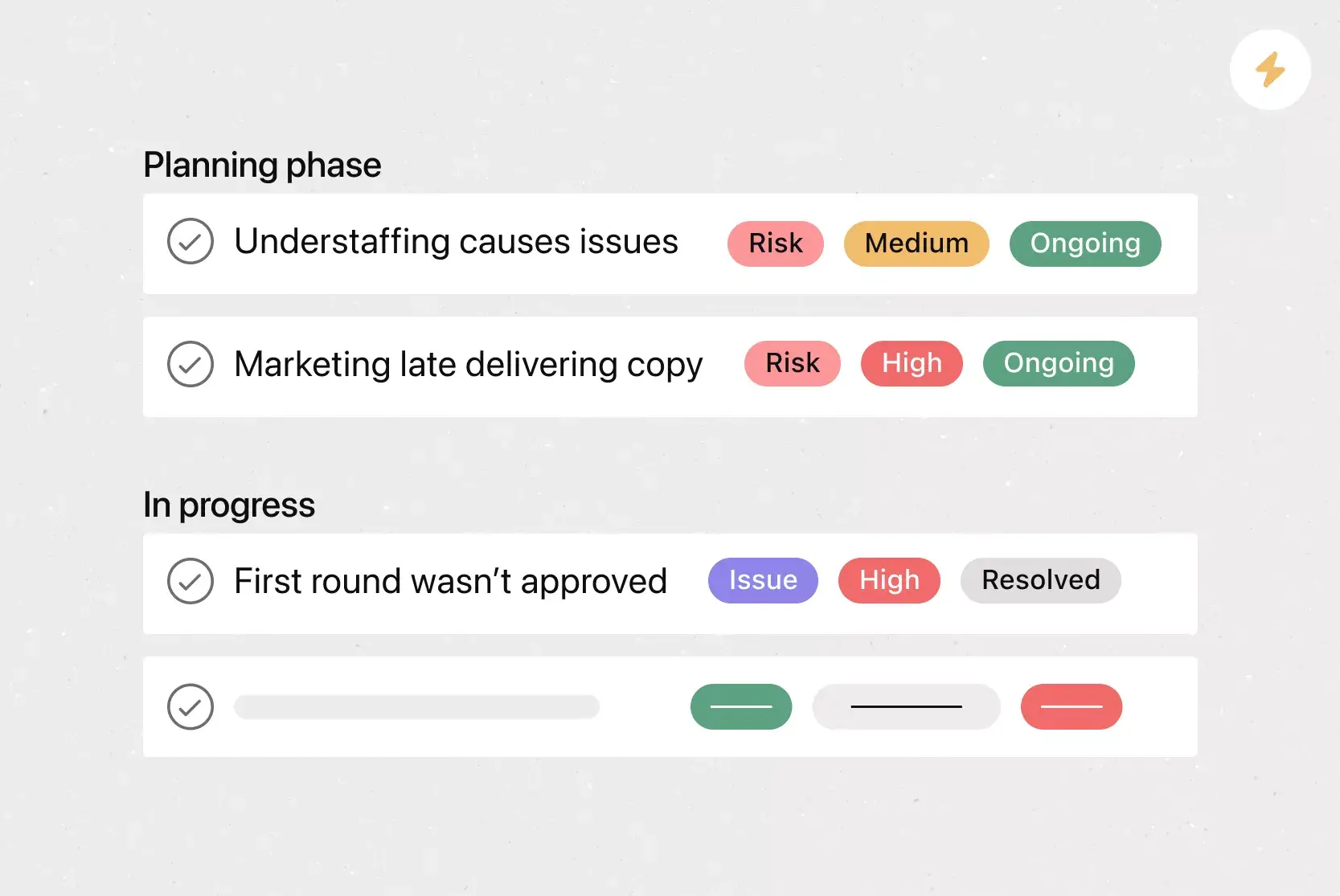
Track progress and adjust. Once your project is underway, monitor your metrics and milestones. If something isn't working, adjust your plan early rather than waiting until the campaign ends.
To read more, check out our quick guide to creating a marketing plan.
Using your marketing project plan template
Try these tips to get the most out of our marketing project plan template:
Create repeatable processes. Starting from square one on every marketing project plan wastes time and exposes your team to mistakes. With our simple marketing plan template, you have a clear, repeatable process to get right to work.
Collaborate in one place. Great work is hard to achieve when everyone uses a different tool. Asana stores all the steps, documentation, progress, and conversations around your work so you can find everything in one place. When your team has a central source of truth, work runs smoothly because everyone knows who's doing what by when.
Add your marketing plan to your tech stack. Did you know workers use about 10 different tools per day? Switching between these tools isn't just time-consuming; it also exposes your team to the risk of losing work or communicating in the wrong place. Asana integrates with your favorite marketing tools, including Figma, Google Drive, Box, OneDrive, and more.
Types of marketing projects you can manage with Asana
Asana's marketing project plan template is flexible enough to support a wide range of marketing project types, including:
Digital marketing
Marketing research
Marketing timeline
Yearly marketing plan
6-month marketing plan
You can view these initiatives in multiple ways:
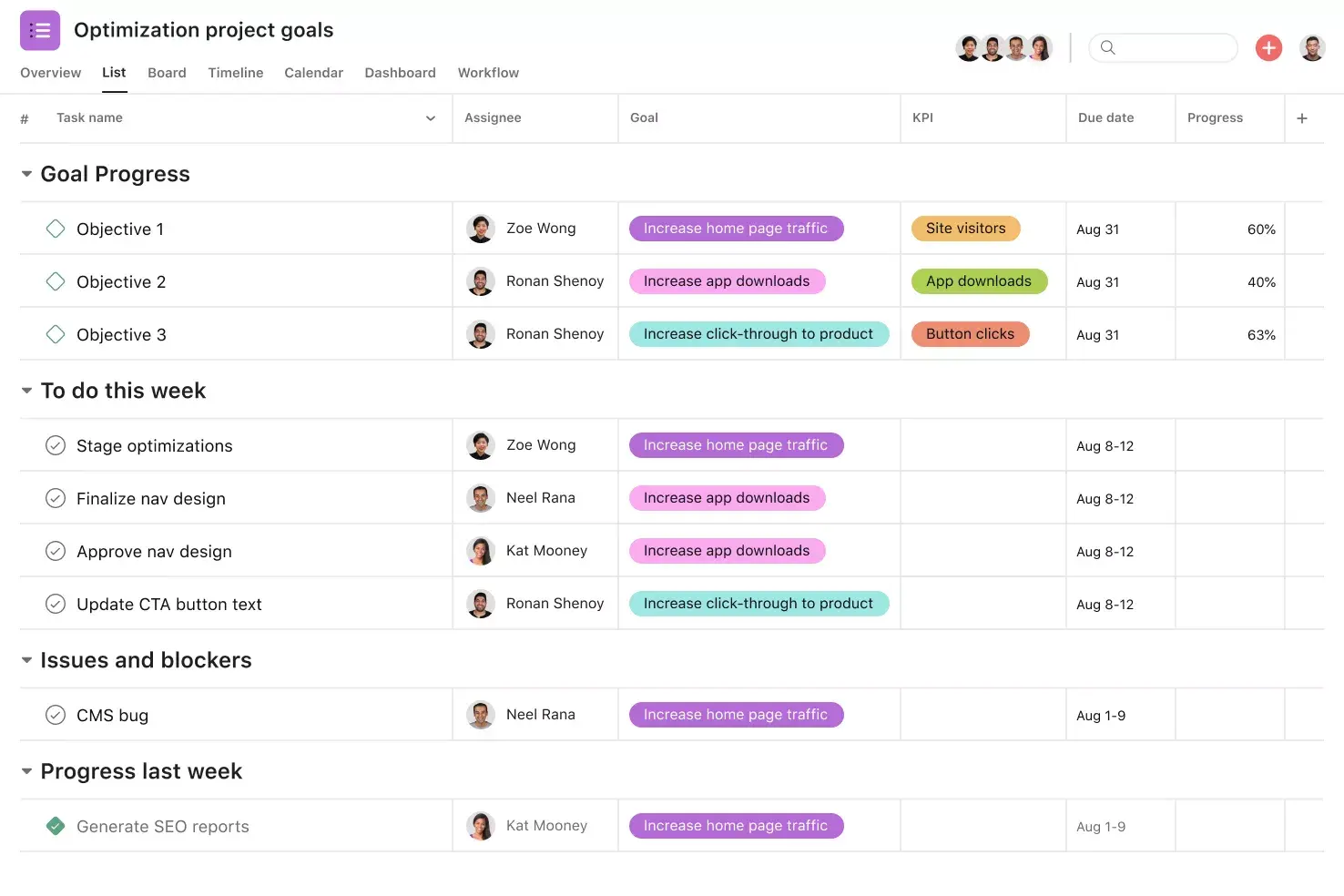
List View: Organize your project like a to-do list.
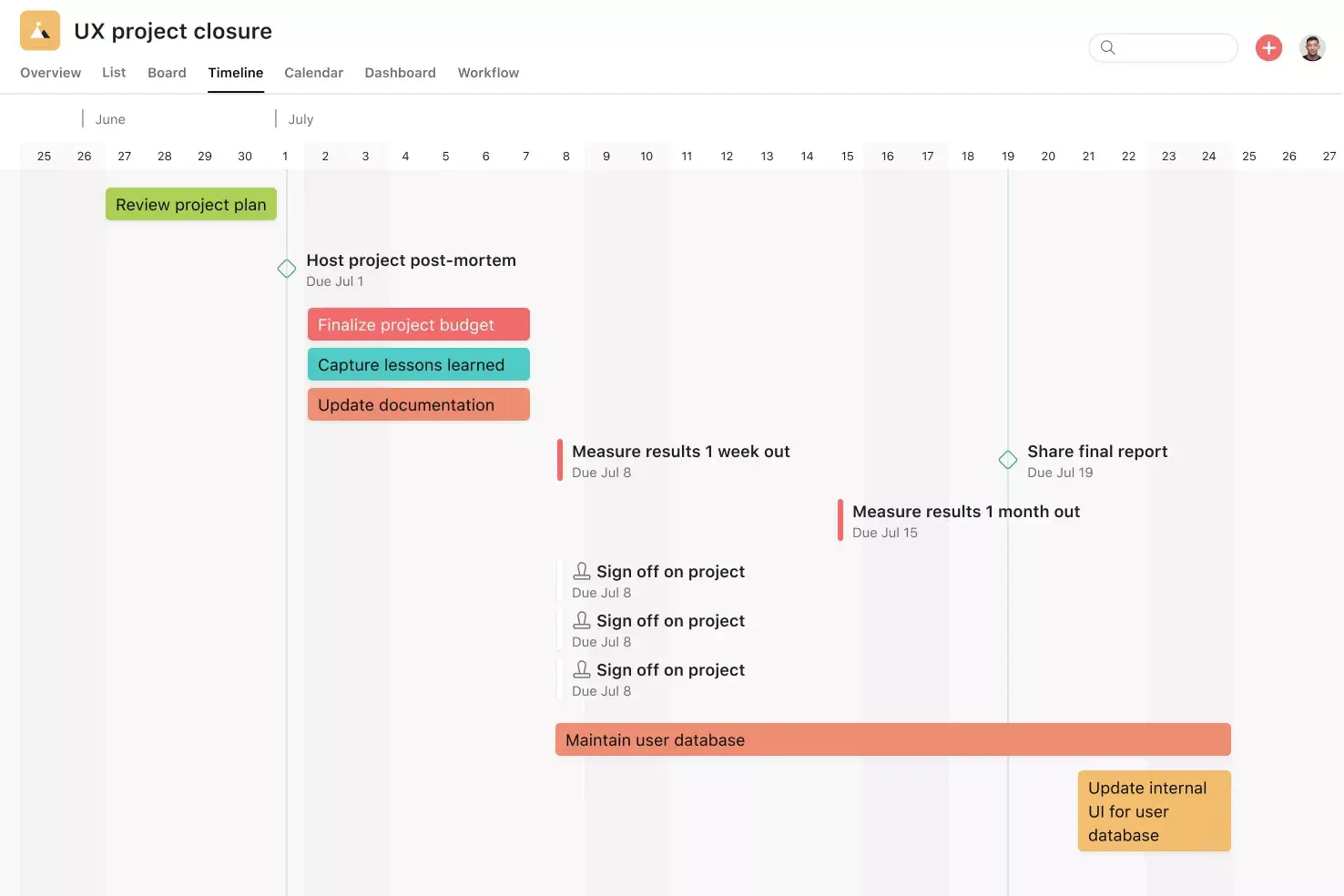
Timeline View: See your full marketing timeline in a Gantt-style chart.
What makes a good marketing project plan template?
A good marketing project plan template should make your work easier, not add complexity. Here's what to look for:
Clear structure. The template should organize information logically, with sections for goals, timelines, tasks, deliverables, and responsibilities.
Flexibility. Your template should be easy to customize so it works for a product launch, a content campaign, or a social media push.
Built-in collaboration. Look for templates that let you assign tasks, leave comments, and share updates without switching between apps.
Real-time visibility. A real-time template means everyone on your team sees the latest status.
Ease of use. Choose a template that's simple to get started with and doesn't require a steep learning curve.
Get started with your marketing project plan
The best marketing teams run on Asana. A clear plan turns scattered tasks into coordinated work, and a great template makes it easy to build that plan every time. Learn more about Asana for Marketing and Creative Teams or get started with our marketing project plan template today.
Use templateFAQs about marketing project plans
What are the key components of a marketing project plan?
What's the difference between a marketing plan and a marketing project plan?
How often should you update your marketing project plan?
What tools can help manage a marketing project plan?
Related templates
![[Templates] Status report (card image)](https://assets.asana.biz/transform/9c82d399-782b-40d3-9eb1-fd7544bef794/article-project-management-project-management-maturity-model-2x?io=transform:fill,width:2560&format=webp)
![[Templates] Event Marketing Plan (Card image)](https://assets.asana.biz/transform/6c7b9329-b612-4732-910a-7917fa079f0b/TG23-web-thumbnail-014-project-chart-static-2x?io=transform:fill,width:2560&format=webp)

![[Templates] Communication plan (card image)](https://assets.asana.biz/transform/3dc9eadf-9d2d-40a2-a05d-63adb32a1de7/article-collaboration-synchronous-vs-asynchronous-communication-2x?io=transform:fill,width:2560&format=webp)



![[Templates] Waterfall project management (card image)](https://assets.asana.biz/transform/d87fc21c-53f0-4bc9-9094-9789b963be9b/article-project-management-waterfall-project-management-methodology-2x?io=transform:fill,width:2560&format=webp)

![[Template] IT project plan (Card image)](https://assets.asana.biz/transform/8aa523a9-4dcb-4053-8e69-7bdf900b48b9/web-product-template-thumbnail-IT-EN-US?io=transform:fill,width:2560&format=webp)
![[Templates] Design Project Plan (Card image)](https://assets.asana.biz/transform/c768a28c-822f-420f-93f9-f2eea4c93780/TG23-web-thumbnail-032-bill-of-materials-static-2x?io=transform:fill,width:2560&format=webp)

![[HR Project Plan] template Card Image](https://assets.asana.biz/transform/663b8e5e-89c9-4b0b-b48b-1b17e01d1889/TG23-web-thumbnail-033-process-improvement-static-2x?io=transform:fill,width:2560&format=webp)

![[Templates] RFP Process (Card image)](https://assets.asana.biz/transform/14aa111b-ab22-483f-bfd1-3090acb7d2a5/RFP-process-premium-m?io=transform:fill,width:2560&format=webp)

The top tool for the best marketers
How are thousands of marketing teams planning and achieving their goals to get an edge on the competition and market? With the power of Asana.